 It is best practice to use standard precautions whenever providing patient care. Standard precautions include:- Proper hand hygiene
- Using personal protective equipment (PPE)
- Adhering to respiratory hygiene/cough etiquette principles
- Ensuring appropriate patient placement
- Cleaning the environment and properly handling and cleaning patient care equipment, instruments, and devices
- Handling fabrics and laundry carefully
- Adhering to safe injection and medication handling practices
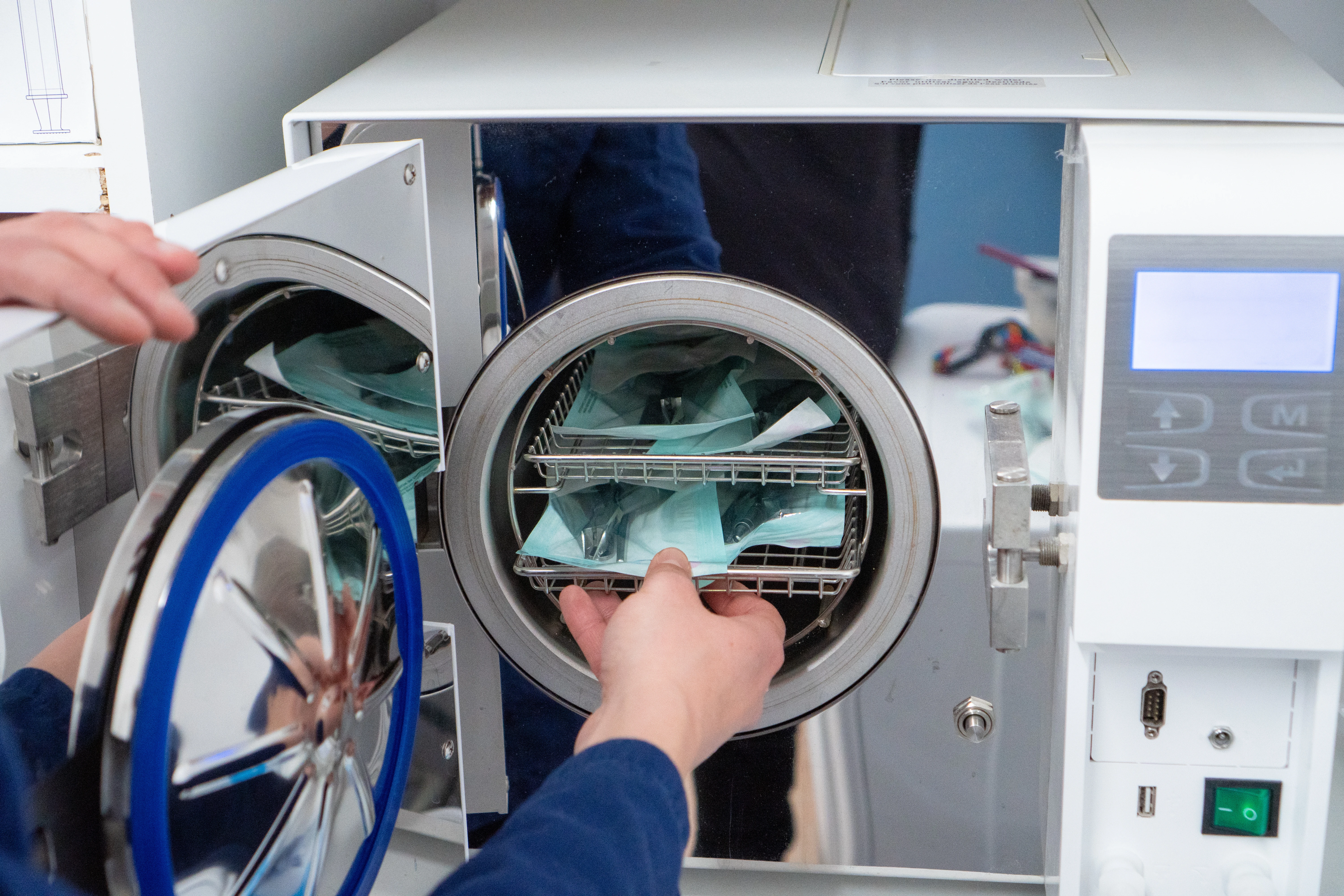
Please click below for more detailed information regarding standard precautions. Standard Precautions for All Patient Care | Infection Control | CDC Autoclave Best Practices:- Do not leave an autoclave operating unattended for extended periods of time; monitor operation periodically during a cycle in case of failure.
- The exterior surfaces of autoclaves are typically extremely hot, particularly models 15 years or older that have little or no heat shielding. Attach conspicuous warning signs to remind staff of the heat hazard.
- Do not stack or store combustible materials next to an autoclave, such as cardboard, plastic, volatile liquids, or flammable liquids.
- Do not overload an autoclave, as this will prevent efficient steam distribution. Extended sterilization times may be required to achieve decontamination if an autoclave is packed too tightly.
- Place medical sharps, such as needles and razor blades, and non-medical sharps, such as plastic pipettes, serological pipets, and glass slides, in an appropriate rigid disposal container prior to autoclaving.
- Do not overfill a biohazard bag. Steam and heat cannot penetrate as easily to the interior of a densely packed biohazard bag and may affect disinfection of its contents.
- Do not combine contaminated items and clean items during the same autoclave cycle. Clean items require shorter sterilization times of 15–20 minutes, while a bag of infectious waste, approximately 24" x 36", typically requires 45 minutes to one hour to be effectively decontaminated throughout.
- Before using the autoclave, check for any items left inside by previous users that could pose a hazard.
- Be sure to clean the drain strainer before loading the autoclave in accordance with the manufacturer’s recommendations.
- Typically, autoclaves operate at 121°C (250°F) under 15 psi pressure for 15–20 minutes, which is sufficient to destroy bacteria, viruses, fungi, and even heat-resistant spores.
It is important to provide routine maintenance on the autoclave to ensure that it is functioning and sterilizing appropriately. Please follow the manufacturer’s guidelines for this process. The CDC recommends monthly efficacy testing at a minimum, using biological indicators. The CDC further recommends weekly use of biological indicators, along with chemical indicators in every load. It is important to record efficacy testing performed on the autoclave. Regular testing by use of a sterility indicator serves to verify that:- Sufficient temperature was maintained to kill microorganisms.
- The duration of the cycle was sufficient to kill microorganisms.
- Adequate steam penetration occurred throughout a load to kill microorganisms.
- Efficacy test results must be recorded, retained, and available to all parties using the autoclave.
Autoclave use and efficacy testing must be described in the Disinfection/Inactivation section of your biosafety protocol. It is best to have all staff utilizing this equipment properly trained and educated. Training and education must be documented and maintained on file. Environmental Cleaning in the Medical Practice Setting:When assessing your medical practice setting, the determination of environmental cleaning procedures for the patient care areas should be based on the risk of pathogen transmission. The three main elements that encompass the risk include: - Probability of contamination
- Vulnerability of the patients to infection
- Potential for exposure
The degree of risk will determine the frequency and method of cleaning, as well as the need to maintain appropriate cleaning schedules to ensure a safe and clean patient environment. It is best practice to implement cleaning schedules that include:- Appointing an individual to be responsible for the process
- Frequency of cleaning needs
- The cleaning process required to achieve optimal results
- Maintaining appropriate cleaning schedules
- Detailed standard operating procedures for surface cleaning and the cleaning of equipment
Please refer to the link below for more details on appropriate cleaning procedures for the office setting. Environmental Cleaning Procedures | HAIs | CDC ResourcesInfection Control for Healthcare Providers | Infection Control | CDC Sterilizing Practices | Infection Control | CDC |